
Disabled Contacts vs EnableDating
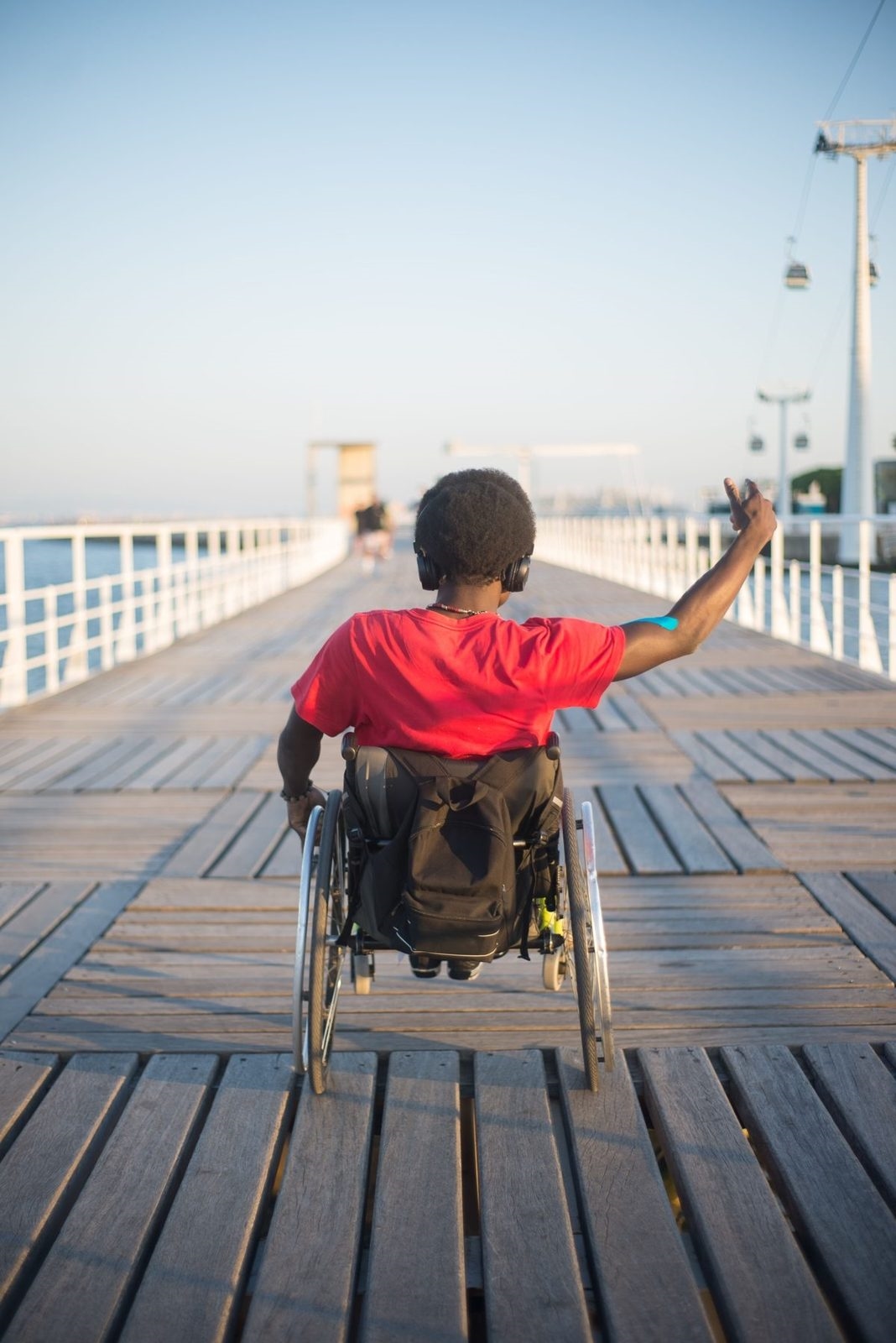
EnableDating and Disabled Contacts are close cousins. Both are UK sites for disabled dating, both work in a browser on any device, and both start from the idea that you should not have to open every conversation by explaining your condition. Where they differ is in the tools for showing interest, the privacy defaults and the amount of local planning help on offer. Anything said here about EnableDating reflects its website in October 2026.
How they line up
| Question | Disabled Contacts | EnableDating (own site, October 2026) |
|---|---|---|
| Where is it based? | UK, covering all four nations | UK |
| What kind of service? | Disabled dating site | Disabled dating community |
| How do you show interest? | Write to someone directly | Winks and matches |
| Mobile use | Browser-based on phone, tablet or computer | Describes itself as mobile-ready |
| Privacy | Email never displayed; place shown at town level | Set out in EnableDating's own terms |
| Planning help | Nation and city write-ups naming accessible venues, Changing Places toilets, transport and local groups | General site content |
| Starting conversations | A VIP or VIP Plus plan | Set out in EnableDating's own terms |
Shared ground
The overlap is bigger than the differences. EnableDating makes a point that resonates with almost every disabled dater: the first conversation does not have to begin with your diagnosis. Disabled Contacts takes the same view. Your profile can lead with your love of crime novels, your allotment or your season ticket, and disability can come up when it matters for planning, or earlier if you prefer.
Both sites are aimed at UK disabled singles, so the people you meet are likely to share the same travel schemes, the same weather and the same bank holidays.
Winks, matches and writing first
EnableDating uses winks and matches. A wink is a light, low-effort signal that you are interested, and a match tells you the feeling is mutual. For people who find first messages nerve-racking, or for whom typing takes real effort, that gentle step can help.
On Disabled Contacts you show interest by writing. To send messages you need a VIP or VIP Plus membership. Each plan and its renewal rule appear on the membership pricing page. A message does not have to be long. Two friendly sentences and a question about something in their profile are enough, and it makes no difference whether you type, dictate or use a switch to produce them.
Which suits you depends on temperament. Some people like a signal first and words later; others prefer to say something real from the start.
Privacy and control
On Disabled Contacts, email addresses never appear on profiles or in conversations and other members see a town rather than an address. Any profile can be blocked or reported, and moderators can take down accounts that ignore the rules.
For EnableDating, read its own privacy and safety information before you share anything personal.
Whatever the platform, a few habits protect you: keep your address, workplace and bank details to yourself until you know someone, have a video call before meeting, and make the first date somewhere crowded and central. Our Trust and Safety page explains the warning signs of romance scams and mate crime, and the guide to devotees and red flags covers fetishisation.
From chat to a real date
Dating sites are good at introductions. Where many disabled singles get stuck is the next step: where can we actually go? This is where Disabled Contacts adds the most.
Each nation has its own write-up. The England page explains the disabled person's bus pass and the Disabled Persons Railcard. The Wales page covers the Welsh concessionary travel card and the Hynt card for theatres. Each city page goes further. The Liverpool guide describes the Merseyrail trains with a sliding step for level boarding; the Nottingham guide covers the low-floor tram; the Aberdeen guide names venues with Changing Places toilets such as the Aberdeen Science Centre.
That kind of detail turns "we should meet sometime" into a plan with a time, a place and a route home.
Advice and articles
Disabled Contacts publishes guides on the conversations that come up again and again. How to tell a date about your disability offers wording for disclosure. Dating with a visible disability deals with first impressions and clumsy questions. Learning disabilities and dating uses short sentences and clear steps. Every guide sits on the dating advice page.
Thinking about who you want to meet
Before choosing any service, it can help to write down, just for yourself, what you are hoping for. Someone nearby, or someone worth a train journey? A partner who is also disabled, or anyone who is kind and curious? Friendship first, or romance from the start? Your answers shape which tools matter. If distance is the big question, place-based search and local transport guides weigh heavily. If confidence is the big question, a gentle signal like a wink may matter more. There is no wrong answer, only a better fit.
Which one to try
EnableDating may suit you if you like winks and matches as a gentle way in, and want a straightforward UK disabled dating community.
Disabled Contacts may suit you if you want privacy defaults you can see, and you value written guidance on local venues, transport and organisations when it comes to planning a date.
There is nothing to stop you trying both. Give each a few weeks, notice where conversations feel easier and where you feel more like yourself, and keep the one that leaves you smiling.
Profile tips that work on both sites
A profile is the first thing anyone sees, so give it the attention you would give a first impression in person.
- Lead with life, not labels. Two or three specifics, such as a band you love, a walk you do every Sunday or a dish you are proud of, give people something to wink at or write about.
- Show yourself as you are now. Recent photos, including any mobility aid you use every day, prevent the awkward "you look different" moment.
- Say what you would like. Friendship, something relaxed, or a partner for the long haul. Clarity saves everyone time.
- Keep it kind. A list of what you do not want reads as defensive. Say what you do want instead.
Our guide to writing a disabled dating profile has example lines for different situations.
Fluctuating health and staying in touch
If your condition flares or your energy dips, a dating site can feel like one more thing to keep up with. It is fine to step back. On either service you can simply log in less for a while. If you are mid-conversation with someone you like, a short note helps: "Rough week health-wise, I'll be slower to reply, but I'm still keen." Most decent people respond well to that kind of honesty, and anyone who does not has shown you something useful early.
Our guide to chronic illness and spoon theory has more on planning dates and conversations around energy, including suggestions for first dates that are easy to shorten.
A word on rejection
On any dating site, some people will not reply, and some will drift away after a date. On a disability site that can sting in a particular way, because you may wonder whether your impairment was the reason. Usually it is not. People stop replying for countless ordinary reasons: a busy month, a new job, someone else they met first. Try not to fill the silence with the worst explanation. If someone does say something unkind about your disability, that tells you about them, not you, and the block and report buttons are there for exactly that.
Frequently asked questions
What is EnableDating?
A UK-based community for disabled singles, designed to work on phones, where winks and mutual matches signal interest. That is how its site put it in October 2026.
What is the difference between EnableDating and Disabled Contacts?
Both are UK disabled dating sites. EnableDating uses winks and matches. Disabled Contacts relies on written conversation, hides email by default and adds local write-ups on getting around and where to go.
Do I have to explain my condition on EnableDating or Disabled Contacts?
No. Both start from the view that conversations do not need to open with your condition. You choose when and how to mention access needs.
Which site has better local information?
Disabled Contacts publishes guides for each UK nation and sixteen cities, naming accessible venues, Changing Places toilets, transport and local disability-led organisations.
Can I use both sites?
Yes. Keep your profile details honest and consistent on each, and use the same safety habits wherever you meet people.
Looking for local detail alongside your matches? Signup Here or Sign in.